Why every lesson needs learning outcomes (Yes, even yours!)
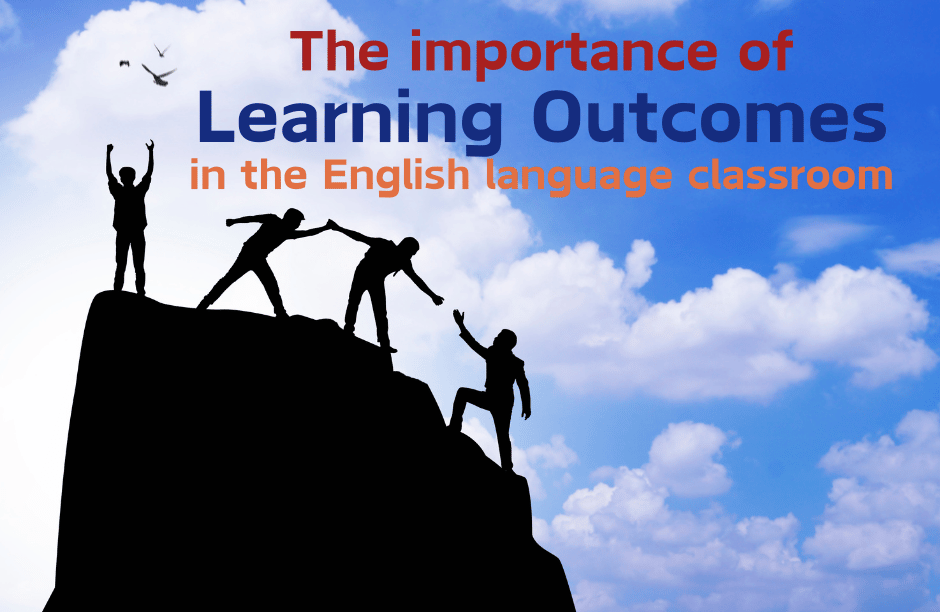
Hey there, fellow English teachers! Let’s have a little chat about something close to my heart—something that a lot of teachers forget about, but that can make or break a lesson. That is learning outcomes
Neuro-Spicy Brains in Your English Language Classroom

Hello, fellow English language teachers! I’ve been thinking a lot about my old students this week, and some of the most memorable ones. We all have them, that student who challenges our teaching skills. So, this week, I thought I would talk about teaching students with “neuro-spicy” brains!
Understanding the Ladder of Inference: A Personal Journey Through Cultural Insight

Just tonight, I have been rewriting some old material on cultural factors affecting TESOL teachers for our Professional Development module. I was reminded of a powerful concept that has significantly shaped my professional journey: Argyris’s Ladder of Inference.
Content-Based Instruction (CBI)

Content-Based Instruction (CBI) is a dynamic approach that merges language learning with engaging subject matter content.
AI in English as a Second Language (ESL) classrooms

AI is reshaping ESL education, but teachers remain essential guides. They blend the power of technology with their expertise to create a holistic learning environment.
Evaluating CALL (Computer-Assisted Language Learning) platforms
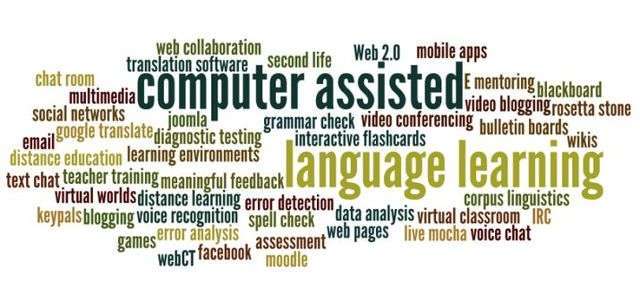
embracing technology thoughtfully and inclusively can empower students and enhance their learning journey. If you’d like more information or need assistance with specific platforms,
Benefits of TESOL PD for all educators

professional development is an ongoing process that empowers educators to enhance their expertise and positively impact learners’ academic growth and well-being.
Should the education sector encourage vet trainers, university lecturers, and tutors to pursue TESOL qualifications or professional development?

For many years, international students have been a staple in our schools, colleges, and universities, bringing with them a wealth of cultural diversity (and delicious-smelling food). However, their presence also introduces some challenges, particularly when it comes to supporting students who may not have English as their first language.
This is where a TESOL (Teaching English to Speakers of Other Languages) qualification or at least a formal Professional Development course can be incredibly valuable to help the non-ELT educator.
So, what do you think? Should VET trainers, university lecturers, and tutors undertake a TESOL qualification or at least attend Professional Development on TESOL methodologies and strategies?
THERE’S MORE TO TEFL CERTIFICATION THAN A FOUR LETTER ACRONYM

This blog is a ‘must-read’ if you are considering becoming an English Teacher and enrolling in a TEFL/TESOL qualification. In this article, discover the true nature of TEFL certification!