The impact of AI in English as a Second Language (ESL) classrooms is a fascinating topic. Let’s explore how AI is transforming language learning and assessment, while also recognising its limitations and the critical role that teachers play.
Enhancing Learning with AI
Over the past decade, AI has made significant strides in the ESL classroom. It offers personalised learning experiences by accurately identifying patterns in human language.
For instance, AI tools can now mark essays and create customised classroom content at appropriate levels for different students. This adds substantial value to language education.
Cambridge’s Pioneering Work
Cambridge University Press & Assessment has been at the forefront of AI integration.
Their “Write and Improve” tool, trained on the Cambridge Learner Corpus, provides instant feedback on writing performance. It helps students prepare for tests like IELTS and B2 First.
However, Cambridge emphasises the need for human involvement to ensure accuracy. Teachers play a crucial role in maintaining a balance between AI and human judgment.
Caution and Optimism
Dr. Jing Xu, an expert from Cambridge, is “cautiously optimistic” about AI in language education.
While AI enhances learning, teachers must use it judiciously. Students’ motivation can suffer if they receive incorrect feedback.
The ideal model involves AI complementing human judgment, ensuring both accuracy and value in the classroom.
In summary, AI is reshaping ESL education, but teachers remain essential guides. They blend the power of technology with their expertise to create a holistic learning environment.

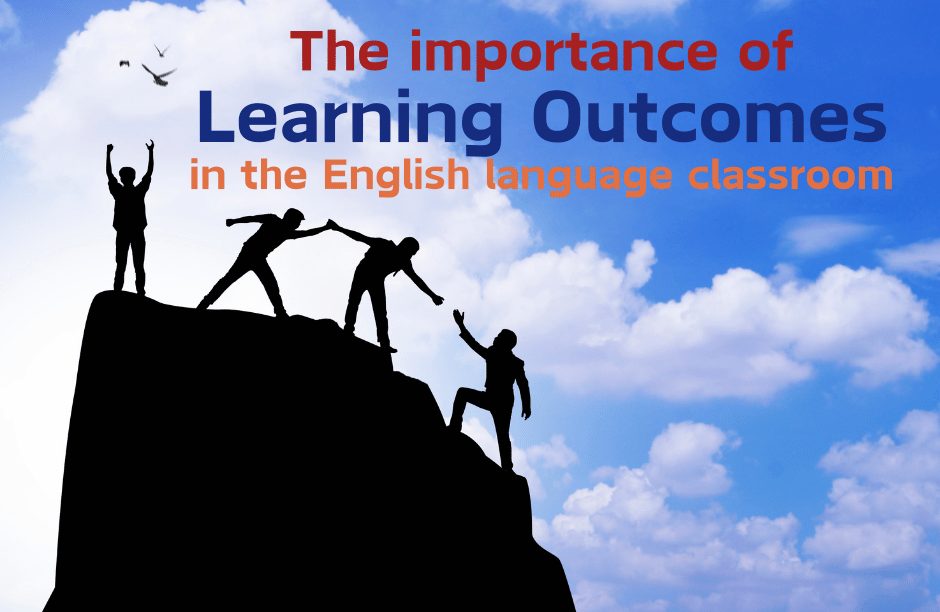
Why every lesson needs learning outcomes (Yes, even yours!)
Hey there, fellow English teachers! Let’s have a little chat about something close to my

Neuro-Spicy Brains in Your English Language Classroom
Hello, fellow English language teachers! I’ve been thinking a lot about my old students this

Decoding the Acronym Alphabet in English Language Teaching
If you’ve ever ventured into the world of English language teaching, you’ve probably felt like